



How to use an high pressure autoclave Reactor safely and efficiently?

A high-pressure autoclave reactor (HPAR) is a type of experimental equipment widely used in fields such as chemistry and materials science. It can conduct reactions and synthesis experiments under high-temperature and high-pressure conditions. However, improper use can pose safety risks and damage the equipment. In this article, we provide a detailed guide to using the flange closure bench-top stirred pressure autoclave to help you conduct experiments safely and efficiently.
High-pressure reactors address the issue of shaft seal leaks that packing seals and mechanical seals could not resolve. They are designed to be free from leaks and pollution, making them well-suited for performing chemical reactions at high temperatures and pressures. These reactors offer significant benefits for reactions with hazardous materials such as flammable, explosive, and toxic substances. Additionally, they are referred to by various names, including polymerization reactors, digestion reactors, high-pressure digestion tanks, pressure vessels, and experimental high-pressure microreactors.

Equipment Structure and Strength


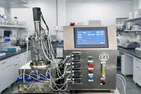
Intuitive touchscreen operation for simplified operation
Ditch the confusing controls! A large, high-definition touchscreen interface provides intuitive guidance, enabling you to quickly configure settings and initiate or halt processes with a simple touch. This streamlined approach slashes training time, minimizes the potential for mistakes, and substantially boosts the productivity of your experiments.
Integrated Cooling for Enhanced Performance and Protection.
High-efficiency cooling channels integrated within the device ensure rapid and uniform cooling during the reaction process. This not only improves experimental controllability and reproducibility but also effectively ensures experimental safety and prevents potential risks caused by temperature runaway.
Visualizing Data for Deeper Understanding and Clarity: Key Benefit!
A clear visualization of temperature and pressure trends offers insight into the advancement of the reaction. With speculation, you can precisely document each crucial milestone and establish a reliable dataset for analyzing experimental outcomes and refining processes.
Data export for worry-free analysis
Effortlessly transfer your experimental data with just a click! You can conveniently export all temperature, pressure, and time information to a computer using a standard USB connection for thorough examination, creating reports, or storing records. Streamline the incorporation of data processing procedures to elevate the significance of data in both research and manufacturing processes.
Rugged, Durable, and Reliable
The durable chamber, constructed using a single molding technique and paired with specially chosen materials that can withstand high temperatures and corrosion, guarantees the device's stability and reliability in challenging experimental conditions like exposure to strong acids, strong bases, high temperatures, and high pressures. This resilience helps minimize maintenance expenses and the likelihood of operational interruptions.
Sophisticated Design, Flexible Adaptability
The small and light structure of the device saves lab space and enables easy movement between lab benches or fume hoods, accommodating various experimental needs.
Personalized Options
We understand the unique needs of different experiments. We offer flexible customization services (such as custom volumes, materials, and interfaces) to ensure the device perfectly fits your specific experimental workflow and process requirements, helping you overcome research challenges or optimize production processes.
Operational Precautions
Operating a flange closure bench-top stirred pressure autoclave requires strict adherence to safety procedures to ensure long service life and reliable performance. Below are the essential guidelines every operator should follow.
Secure and Even Fastening:
When tightening the nuts, always use a diagonal, symmetrical sequence. Apply force gradually in multiple steps to ensure even pressure. Never allow the lid to tilt to one side during fastening.
Observe Torque Limits:
The main nuts must not exceed the specified tightening torque of 40–120 Nm. Over-tightening may damage the sealing surface or cause premature wear.
Protect the Sealing Surface:
Avoid scratches or dents on the sealing surfaces of the vessel and lid. With proper handling, the seal can last for thousands of cycles. If damaged, the sealing surface must be re-machined for optimal sealing performance.
Safe Lid Removal:
When removing the lid, lift it slowly and evenly. Never dismantle under pressure. This prevents impact damage between the vessel and lid sealing faces.
Gasket Sealing Options:
For gasket sealing (aluminum, copper, asbestos, etc.), simply tightening the main nuts evenly will provide excellent sealing performance.
Heating and Cooling Parameters:
Maximum external heating temperature: ≤ 300 °C
Heating rate: < 5 °C/min
Cooling rate: < 5 °C/min
Recommended: Use a PID temperature control system
Safety pressure limit: 22 MPa
Loading Capacity:
Do not exceed 80% filling of the reactor's internal volume. This ensures safety and optimal reaction conditions.
Post-Reaction Procedure:
After the reaction is complete, allow the vessel to cool naturally before opening the lid. This prevents thermal shock and ensures operator safety.
Technical Parameters
|
Model |
MHR100-E |
MHR250-E |
MHR500-E |
MHR1000-E |
|
Volume |
100ml |
250ml |
500ml |
1000ml |
|
Maximum pressure |
100bar |
|||
|
Maximum temperature |
300℃ |
|||
|
Material |
SS316L |
|||
|
Sealing type |
Gasket sealing between lid and flange, Magnetic coupling seal agitator |
|||
|
Heating Type |
Electric heating |
|||
|
Needle valve |
1pcs 6mm needle valve with dip tube |
1pcs 8mm needle valve with dip tube |
||
|
Temperature sensor |
1-PT100 temperature sensor |
|||
|
Pressure sensor |
1-Pressure sensor with rupture disc |
|||
|
Internal cooling coils |
U type or not |
Spiral coils |
Spiral coils |
Spiral coils |
|
Controller |
Touch screen control |
|||
|
Data output |
USB data output |
|||
|
Curve display |
Temp and pressure data curve display |
|||
|
Control |
Temperature PID control, Stirring speed control, and display |
|||
After-sales service
Instrument installation
The manual includes detailed installation diagrams and step diagram, customers can follow the instructions to achieve their installation. And our team will provide guidance, from start to finish, ensuring your high-pressure reactor is installed and commissioned safely and successfully.
If the customer needs the TOPTION company installed, our technical engineers' round-trip fare + local accommodation fare + engineers' subsidy fare should be borne by the customer.
Training
Operation instructions have detailed precautions and daily maintenance instructions. After receiving the product, through telephone or mail, our technical engineer supplies the correct method of operation, precautions, daily maintenance, and does not limit the number and times.
Warranty
-
During the Warranty period
A. Warranty period starts from the beginning of arrival of goods, installation & commissioning, the date of acceptance of the user acceptance, and the electrical parts of the high-pressure reactor, free warranty for 12 months.
B. When receiving customer feedback, TOPTION should respond within 2 hours and within 48 hours to provide a reliable and free solution.
C. After the completion of maintenance, feedback should be timely by mail report, should contain the handling of the situation and the views of users, and both sides should hold a record.
D. TOPTION regularly on the sale of equipment to track the tracking mail, and corrects the customer's other issues promptly.
-
Out of Warranty period
A.Our company is responsible for Lifetime maintenance.
B. TOPTION should respond within 2 hours, and within 48 hours to provide a reliable implementation of the program, if the loss, only charge the cost of accessories.
C. After the completion of maintenance, feedback should be timely by mail report, should contain the handling of the situation and the views of users, and both sides should hold a record.
D. TOPTION regularly on the sale of equipment to follow mail, correct the customer's other issues promptly.
Conclusion
High-pressure autoclave reactors are widely used in fields such as chemistry and materials science, enabling reactions and synthesis experiments under high-temperature and high-pressure conditions. Proper use and maintenance of autoclave reactors are crucial for ensuring experimental safety and the longevity of the equipment. By following these guidelines, you can use autoclave reactors safely and efficiently, ensuring both experimental safety and the longevity of the equipment.
More Types of high pressure reactor Videos