



Photoreactor Sent To Kazakhstan: TOPT-V (Jan 13, 2026)
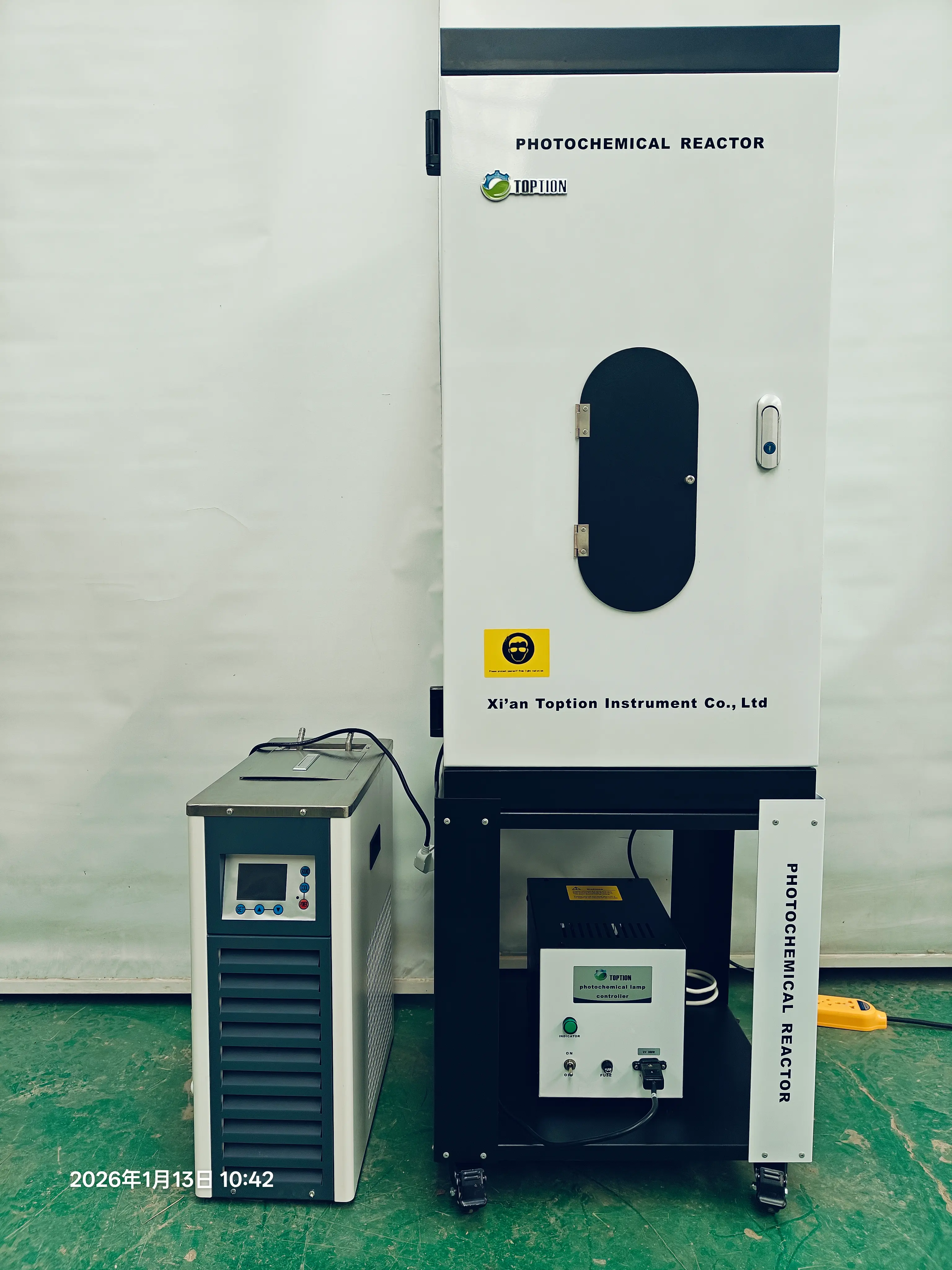
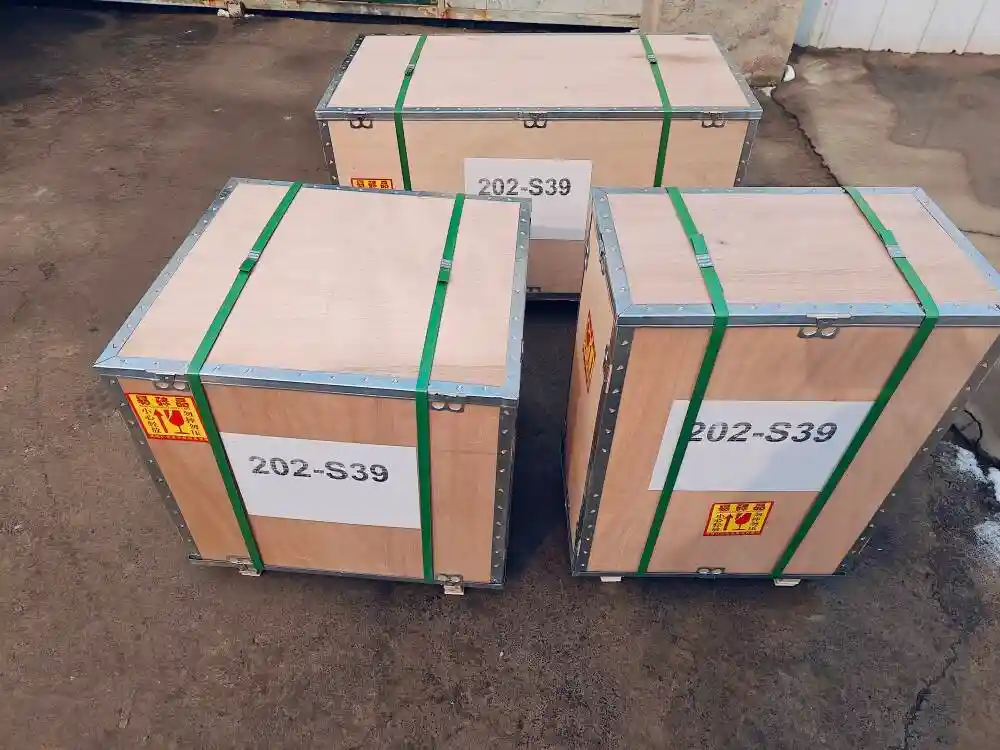
On Jan 13, 2026, we shipped a TOPTION TOPT-V photoreactor(8-position, 300 W xenon + 300 W mercury) to a university laboratory in Kazakhstan, which has UV-Vis light simulation and an eight-position screener in parallel. This article summarizes the delivered setup, QC checklist highlights, and the most important safety tips for the routine operation of labs.
Shipment Snapshot
Shipping Date: January 13, 2026
Destination: Kazakhstan
Item: Photoreactor, TOPT-V model
Highlights
- Light sources: 1 unit of 300 W xenon lamp with 1 unit of controller, 1 unit of 300 W Mercury lamp with 1 unit of controller.
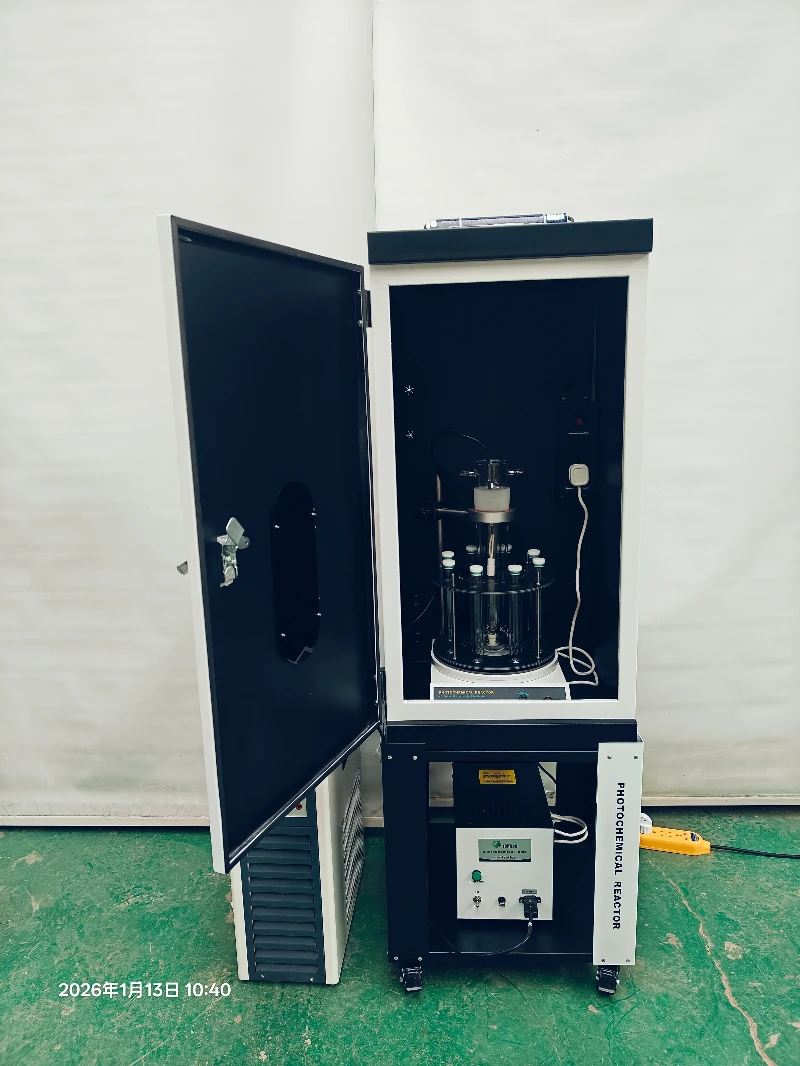
- Capacity: 8-position parallel magnetic stirrer.
- Thermal Control: All-quartz cold trap (lamp heat removal) + 8 all-quartz reaction tubes.
"In the box" documents
Quality certificate (QC report), specification sheet, warranty card, certificate of conformity (CoC), and packing list.
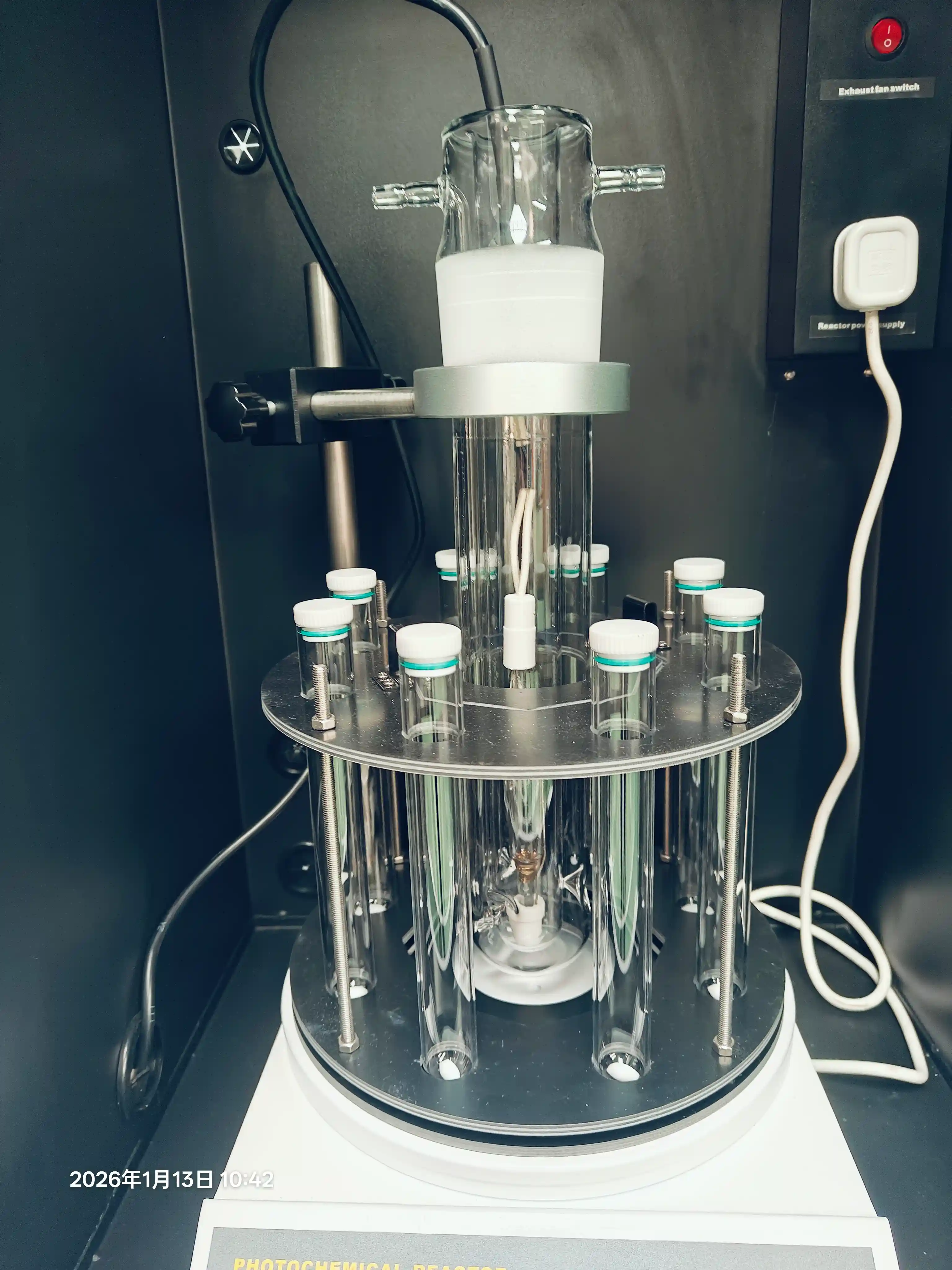
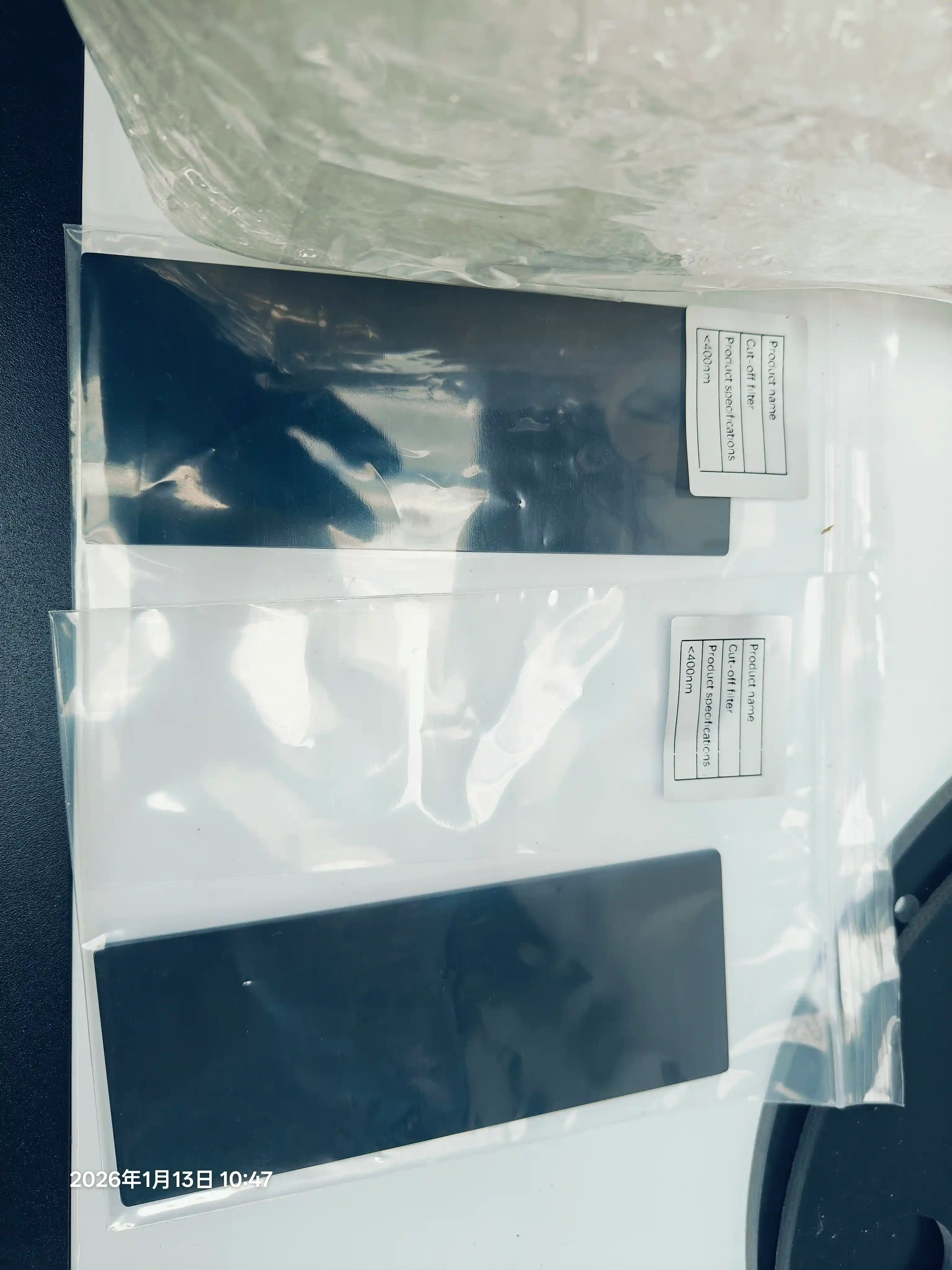
What We Shipped: TOPT-V Photoreactor Configuration
Light source options (choose per experiment)
- 300 W xenon lamp + controller for simulating visible light. The xenon output profile matches visible light, and with the provided controller, it will run stably.
- 300 W mercury lamp + controller for strong UV presence. Mercury lamps provide a strong UV component. The exact UV/visible distribution depends on the lamp type and filters; refer to the spectral data included with the shipment. It requires about 5 mins of warm-up. If it has been powered off, wait ≥5 mins before turning it on again. Wear UV-rated protective goggles/face shield (e.g., UV400) when operating mercury lamps. Regular prescription glasses or non-rated sunglasses are not sufficient UV protection.
Parallel reaction productivity
- An 8-position magnetic stirrer + 8-quartz tubes allows for multi-sample screening and collection in a single operation.
Quartz protection & cooling stability
- The quartz cold trap helps stabilize reaction temperature during long runs by removing lamp heat while maintaining high UV/visible transmission.
Reaction vessels & sealing
- Set shipped: 8 pieces of 150 mL all-quartz test tubes with PTFE sealing plugs for reactions.
- Manual options: 100 mL quartz tubes in standard and air-inflation configurations, both with PTFE sealing plugs.
Applications (Why labs use this photoreactor)
The TOPT-V accommodates photocatalyst evaluations, including TiO₂ photocatalyst, for gas, liquid, and solid-state photochemistry under simulated visible or UV light. Typical fields include chemical synthesis, environmental science, and life sciences.
Recommended blog snippet:
- "Peer-reviewed studies have reported using the TOPT-V / Toption-V 8-position batch photoreactor (300 W xenon, quartz cold trap) for simulated solar irradiation and photocatalytic experiments."
- "Examples: Processes (2024) 10.3390/pr12061265; Foods (2024) 10.3390/foods13162643."
- "Related application reference (photocatalytic MB degradation): Polymers (2023) 10.3390/polym15051210 (equipment model not specified in the article's HTML text)."
Safety & Operating Notes
- Environment: Maintain ≤30 °C and ≤ 60 % RH. Operating outside these limits may reduce performance and increase safety risks.
- Power & grounding: AC 220 V / 50 Hz with adequate protective grounding. Use a grounded outlet and plug type compliant with local electrical standards.
- UV protection: Mercury lamps emit UV; Wear UV-rated protective goggles (UV400) or a face shield when operating mercury lamps. Regular sunglasses are not adequate unless they are UV-rated and fully sealed.
- Ventilation & placement: clear all of the heat-dissipating zones, and ensure no dust, heaters, or direct sunlight.
- Do Not Move the Unit When Filled: Once coolant/medium is added, do not move or tilt the system to avoid leaks and damage.
- Maintenance boundary: Do not open the instrument; Repairs other than fuses and condenser cleaning are to be done by certified personnel.
QC, Packing & Delivery Checklist
Before sealing the crate, our team confirms:
- Visual inspection + power-on checks regarding controllers, fans, and flow circulation, per the manual's operating/install steps.
- Lamp components on the packing list: xenon/mercury lamps, controllers, 8-position stirrer set, quartz cold trap and quartz tubes, protective dark box, trolley, and spare parts.
- Documents included: specification, warranty card, and quality/qualification certificate, all of which are in the carton, and the packing list (in the carton).
-
Serial number recorded / QC pass label
- Lamp warm-up & restart interval verified
- Grounding continuity check performed
How To Specify Your Photoreactor (Short Selection Guide)
- What are your absorption wavelengths? Do you need UV or UV-Vis (mercury vs xenon)?
- How many samples will you measure? Just a single sample or an 8-position parallel?
- Do you need to control the influence of temperature? Use the fully-quartz cold trap and connect to your cooling loop.
- What type of vessels do you need? Sealed quartz tubes or air-inflation quartz tubes?
- What's your power standard? Confirm 220 V/50 Hz and grounding.
- Do you need flow circulation? Select a multi-port glass reactor with micro-circulation and a flowmeter.
FAQ
Q1: Xenon vs mercury-how do I choose a photoreactor lamp?
A1: Use mercury lamps when you need a strong UV component. The UV/visible distribution depends on the lamp type and filters; refer to the spectral data provided with the shipment.
Q2: Why does the photoreactor use a quartz cold trap?
A2: The all-quartz cold trap removes heat from the lamp zone during long runs, helping stabilize reaction temperature while maintaining high UV/visible transmission.
Q3: What is the volume of each quartz tube?
A3: The manual states 100 mL for the standard and air-inflation tubes, and this shipment contains eight 150 mL quartz tubes that are sealed. Select volume based on your catalyst loading and analysis requirements.
Q4: What are the requirements for the room and power?
A4: The room temperature should be ≤ 30 °C, the relative humidity should be ≤ 60%, and the power supply should be AC 220 V / 50Hz and should have a grounded outlet.
Q5: What safety steps are in place to minimize exposure to UV light?
A5: Use the light-shielding dark box, never look directly at the lamp, and wear UV-rated protective goggles (UV400) or a face shield when operating mercury lamps. Non-rated sunglasses are not adequate.
About TOPTION
We work with you to engineer complete, turnkey solutions tailored to your capacity targets, process requirements, and compliance standards.
With 18+ years of manufacturing experience and successful installations in 70+ countries and regions, our senior engineering team supports you from concept design and equipment selection to manufacturing, testing, and global delivery.
👉 Talk directly with our senior engineers.
👉 Get a customized turnkey solution and preliminary quotation based on your production needs.
👉 Reduce technical risk before investment decisions are made.
Contact us today for a free technical consultation:
Email: info4@toptionlab.com
WhatsApp: +86 133 8492 7293

Watch More!