


Hey there! As a supplier of Rotavapor systems, I often get asked about how to check the integrity of the vacuum system in a Rotavapor. It's a crucial step to ensure that your Rotavapor is working at its best and giving you accurate results. So, let's dive right in and explore the ins and outs of this process.
First things first, why is checking the vacuum system integrity so important? Well, a proper vacuum is essential for the efficient operation of a Rotavapor. It helps in lowering the boiling point of the solvent, which means you can evaporate it at a lower temperature. This is especially important when dealing with heat - sensitive substances. If there's a leak in the vacuum system, it can lead to longer evaporation times, inconsistent results, and even damage to your samples.
Initial Visual Inspection
The first step in checking the vacuum system integrity is a good old - fashioned visual inspection. Start by looking at all the connections in the system. Check the hoses, fittings, and glassware for any signs of wear and tear. Cracks in the glassware can be a major source of leaks. Even small hairline cracks can let air in and disrupt the vacuum. Also, make sure that all the fittings are tightly connected. Loose fittings are a common culprit for vacuum leaks.
Another thing to look out for is the condition of the gaskets. Gaskets are used to create a seal between different parts of the system. Over time, they can dry out, become brittle, or get damaged. If you notice any signs of damage or deterioration in the gaskets, it's a good idea to replace them. This simple step can often solve a lot of vacuum - related problems.
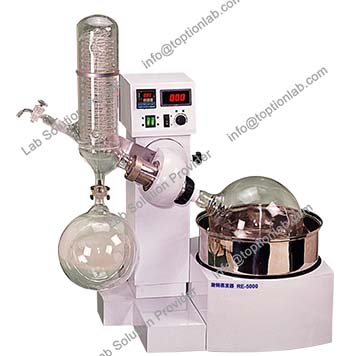

Using a Vacuum Gauge
A vacuum gauge is a handy tool for checking the integrity of the vacuum system. It measures the pressure inside the system and can give you an idea of how well the vacuum is holding. To use a vacuum gauge, connect it to the Rotavapor's vacuum port. Make sure the connection is air - tight.
Once the gauge is connected, start the vacuum pump and let it run for a few minutes. The gauge should show a decreasing pressure as the pump removes air from the system. If the pressure doesn't drop as expected or starts to rise after reaching a certain point, it's a sign that there might be a leak.
A good way to test for leaks using a vacuum gauge is the "hold test." After the pressure has reached a stable level, turn off the vacuum pump and close the valve between the pump and the Rotavapor. Watch the gauge for a few minutes. If the pressure remains stable, it means the vacuum system is likely air - tight. But if the pressure starts to increase, there's definitely a leak somewhere.
The Bubble Test
The bubble test is a simple and effective way to find leaks in the vacuum system. To perform this test, you'll need a solution of soapy water. You can make this solution by mixing a small amount of dish soap with water in a spray bottle.
Start by spraying the soapy water on all the connections, hoses, and joints in the vacuum system. Make sure to cover every possible area where a leak could occur. If there's a leak, the air escaping from the system will create bubbles in the soapy water. This makes it easy to spot the exact location of the leak.
Once you've found the leak, you can take steps to fix it. For example, if it's a loose fitting, you can tighten it. If it's a damaged hose, you can replace it.
Using a Helium Leak Detector
For more precise leak detection, especially in larger or more complex Rotavapor systems, a helium leak detector can be a great option. Helium is a very small molecule that can easily pass through tiny leaks.
To use a helium leak detector, first, evacuate the Rotavapor system to a high vacuum. Then, use a helium spray gun to apply a small amount of helium around the suspected areas of the system. If there's a leak, the helium will enter the system and be detected by the leak detector.
The advantage of using a helium leak detector is that it can detect very small leaks that might not be visible or detectable with other methods. However, it's also a more expensive and complex tool, so it might not be necessary for every situation.
Maintaining the Vacuum System
Once you've checked and fixed any leaks in the vacuum system, it's important to maintain it properly to prevent future problems. Regularly clean the glassware and hoses to remove any residue or contaminants that could affect the vacuum. Also, make sure to lubricate the moving parts of the system, such as the joints and valves, as recommended by the manufacturer.
Using high - quality vacuum pumps and accessories can also make a big difference in the performance and longevity of the vacuum system. At our company, we offer a wide range of Gland Type Vacuum Freeze Dryer, Multiple Effect Rotary Evaporator, and Eco - Friendly Supercritical CO2 Extraction Plant that are designed to work seamlessly with Rotavapor systems and provide a reliable vacuum.
Conclusion
Checking the integrity of the vacuum system in a Rotavapor is an important part of its maintenance. By following these steps, you can ensure that your Rotavapor is working efficiently and giving you accurate results. Whether you're using a simple visual inspection, a vacuum gauge, the bubble test, or a helium leak detector, each method has its own advantages and can help you find and fix leaks.
If you're having trouble with your Rotavapor's vacuum system or need more information about our products, don't hesitate to reach out. We're here to help you with all your Rotavapor needs and can assist you in choosing the right equipment for your specific applications. Contact us to start a procurement discussion and take your laboratory work to the next level.
References
- "Rotary Evaporator Operation and Maintenance Guide" by Laboratory Equipment Manufacturer
- "Vacuum Technology Handbook" by Vacuum Industry Association