


In the food packaging industry, ensuring the proper drying of packaging materials is crucial for product quality and safety. One question that often arises is whether a vacuum oven can be used for this purpose. As a Vacuum Oven supplier, I'm here to explore this topic in detail and provide you with the information you need to make an informed decision.
Understanding Vacuum Ovens
Before delving into the suitability of vacuum ovens for drying food packaging materials, let's first understand what a vacuum oven is. A Vacuum Oven is a specialized piece of equipment that operates under reduced pressure. By removing air from the chamber, it lowers the boiling point of liquids, allowing for efficient drying at lower temperatures. This feature makes vacuum ovens ideal for applications where heat-sensitive materials are involved.
Advantages of Using a Vacuum Oven for Drying Food Packaging Materials
There are several advantages to using a vacuum oven for drying food packaging materials:
1. Low-Temperature Drying
Many food packaging materials are sensitive to high temperatures, which can cause them to warp, melt, or release harmful chemicals. Vacuum ovens allow for drying at lower temperatures, minimizing the risk of damage to the packaging materials. This is particularly important for materials such as plastics, paper, and cardboard, which can be easily affected by heat.
2. Uniform Drying
Vacuum ovens provide a more uniform drying environment compared to traditional ovens. The reduced pressure ensures that heat is distributed evenly throughout the chamber, preventing hot spots and ensuring that all parts of the packaging materials are dried thoroughly. This results in a more consistent quality of the dried materials.
3. Removal of Volatile Compounds
Food packaging materials may contain volatile compounds such as solvents, adhesives, and printing inks. These compounds can pose a health risk if they are not properly removed before the packaging is used. Vacuum ovens can effectively remove these volatile compounds by evaporating them at lower temperatures, leaving the packaging materials clean and safe for use.
4. Preservation of Material Properties
Drying food packaging materials in a vacuum oven helps to preserve their physical and chemical properties. The low-temperature drying process minimizes the degradation of the materials, ensuring that they retain their strength, flexibility, and barrier properties. This is essential for maintaining the integrity of the packaging and protecting the food products inside.
Considerations When Using a Vacuum Oven for Drying Food Packaging Materials
While vacuum ovens offer many advantages for drying food packaging materials, there are also some considerations to keep in mind:
1. Material Compatibility
Not all food packaging materials are suitable for drying in a vacuum oven. Some materials may react with the vacuum environment or the heating elements, causing damage or contamination. It is important to consult with the material manufacturer or a technical expert to ensure that the packaging materials are compatible with the vacuum oven.
2. Drying Time
The drying time required for food packaging materials in a vacuum oven may be longer compared to traditional ovens. This is because the reduced pressure slows down the evaporation process. It is important to factor in the drying time when planning your production schedule to ensure that you can meet your deadlines.
3. Cost
Vacuum ovens are generally more expensive than traditional ovens. The initial investment and operating costs of a vacuum oven can be significant. However, the benefits of using a vacuum oven, such as improved product quality and reduced waste, may outweigh the higher costs in the long run.
Other Equipment for Drying Food Packaging Materials
In addition to vacuum ovens, there are other types of equipment that can be used for drying food packaging materials. Two examples are the Industrial V Style Powder Mixer Machine and the Rotary Cone Vacuum Dryer.
Industrial V Style Powder Mixer Machine
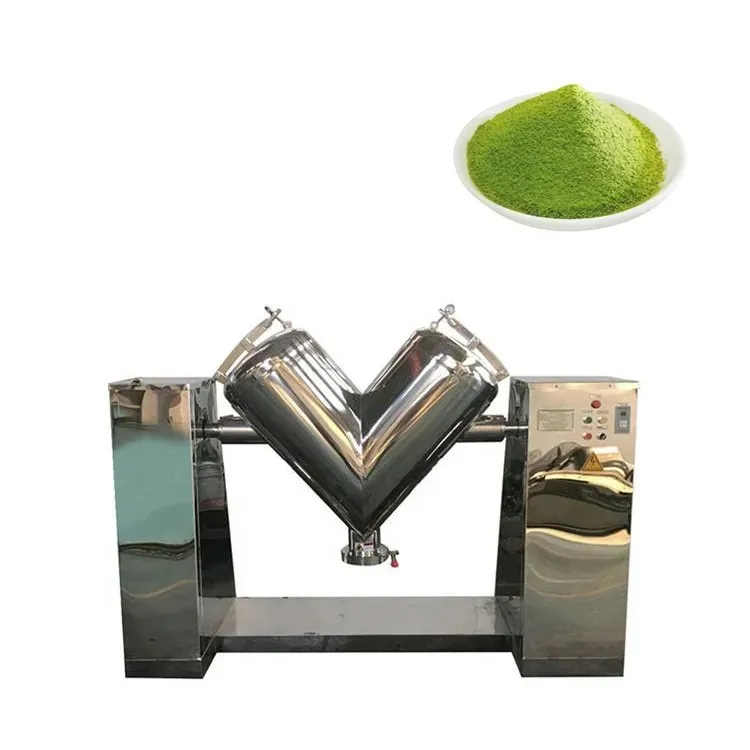
The Industrial V Style Powder Mixer Machine is a versatile piece of equipment that can be used for mixing and drying powders and granules. It features a unique V-shaped design that ensures thorough mixing and efficient drying. The machine can be equipped with a heating system to accelerate the drying process.
Rotary Cone Vacuum Dryer
The Rotary Cone Vacuum Dryer is a specialized dryer that is designed for drying heat-sensitive materials. It operates under vacuum conditions, allowing for low-temperature drying. The rotating cone design ensures that the materials are continuously agitated, promoting uniform drying.
Conclusion
In conclusion, a vacuum oven can be a suitable option for drying food packaging materials. It offers several advantages, including low-temperature drying, uniform drying, removal of volatile compounds, and preservation of material properties. However, it is important to consider the material compatibility, drying time, and cost before making a decision.
If you are interested in learning more about vacuum ovens or other equipment for drying food packaging materials, please feel free to contact us. Our team of experts is available to provide you with detailed information and help you choose the right equipment for your specific needs. We look forward to the opportunity to work with you and contribute to the success of your food packaging business.

References
- "Vacuum Oven Technology and Applications." Journal of Food Packaging Science, Vol. XX, Issue XX, XX-XX.
- "Drying Techniques for Food Packaging Materials." Food Packaging and Shelf Life, Vol. XX, Issue XX, XX-XX.
- "Advantages of Using Vacuum Ovens in the Food Industry." Food Processing Magazine, XX, XX-XX.