

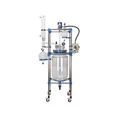


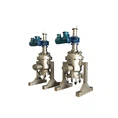
Hydrothermal synthesis reactors have revolutionized the field of materials science by enabling the synthesis of a wide range of materials with unique properties. From nanoparticles to crystals, these reactors have opened up new avenues for researchers and industries to develop innovative materials with diverse applications. In this blog post, we'll delve into the exciting world of hydrothermal synthesis reactors and explore their applications across various industries.
Energy Storage and Conversion:
Hydrothermal synthesis reactors have played a crucial role in the development of energy storage and conversion technologies. For instance:

Battery Materials: Hydrothermal synthesis reactors are used to synthesize high-performance battery materials, such as lithium-ion batteries, with improved energy density and cycle life.
Supercapacitors: Hydrothermal synthesis reactors are used to synthesize electrode materials for supercapacitors, enabling high-power energy storage and rapid charging.
Fuel Cells: Hydrothermal synthesis reactors are used to synthesize catalysts and electrodes for fuel cells, improving their efficiency and durability.
Biotechnology and Medicine:
Hydrothermal synthesis reactors have significant applications in biotechnology and medicine, including:

Nanoparticle Synthesis: Hydrothermal synthesis reactors are used to synthesize nanoparticles for biomedical applications, such as drug delivery, imaging, and cancer therapy.
Biomaterials: Hydrothermal synthesis reactors are used to synthesize biomaterials for tissue engineering, wound healing, and implantable devices.
Antimicrobial Coatings: Hydrothermal synthesis reactors are used to synthesize antimicrobial coatings for medical devices, reducing the risk of infections.
Environmental Remediation:
Hydrothermal synthesis reactors have the potential to revolutionize environmental remediation by:

Heavy Metal Removal: Hydrothermal synthesis reactors are used to synthesize materials that can remove heavy metals from contaminated water and soil.
Pollutant Degradation: Hydrothermal synthesis reactors are used to synthesize catalysts that can degrade pollutants, such as pesticides and industrial chemicals.
Wastewater Treatment: Hydrothermal synthesis reactors are used to synthesize materials for wastewater treatment, improving water quality and reducing environmental impact.

Hydrothermal synthesis reactors have far-reaching applications across various industries, from energy storage and biotechnology to environmental remediation and aerospace. By harnessing the power of hydrothermal synthesis reactors, researchers and industries can develop innovative materials with unique properties, driving innovation and progress in their respective fields. Whether you're a researcher or an industry professional, hydrothermal synthesis reactors are an essential tool for unlocking the potential of materials science.