


In modern industrial production, the application of organic solvents is ubiquitous, from paints and coatings, printing and packaging to electronics cleaning and pharmaceutical chemicals, all inseparable from the dissolving, diluting, and cleaning effects of solvents. However, traditional extensive use and disposal methods of solvents not only cause huge resource waste but also pose potential threats to the environment and human health. In recent years, with increasingly stringent environmental regulations and a growing corporate awareness of cost reduction and efficiency improvement, solvent recovery machines, as an efficient, environmentally friendly, and economical solution, are being favored by more and more enterprises. This article will provide you with a comprehensive understanding of solvent recovery machines, helping you achieve a win-win situation for economic and environmental benefits in industrial production.
What is a Solvent Recovery Machine? Unveiling Its Mystery
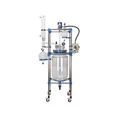
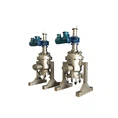
A solvent recovery machine, as the name suggests, is a device that can separate and purify used, impurity-containing waste organic solvents through specific physical or chemical methods, restoring them to a quality close to that of new solvents, thereby enabling recycling and reuse. It acts like a "magician," capable of turning waste solvents that would otherwise require expensive purchasing or disposal into valuable resources.
How Do Solvent Recovery Machines Work? Core Technology Analysis
The core of a solvent recovery machine lies in its separation and purification technology. Currently, the mainstream solvent recovery technologies on the market mainly include:
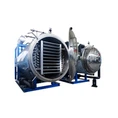
Distillation Recovery Technology: This is the most widely used technology. Its principle is based on the difference in volatility between solvents and other substances (such as inks, resins, greases, dirt, etc.) at different temperatures. The waste solvent is heated to its boiling point, causing it to vaporize. The solvent vapor is then condensed and collected, thereby obtaining pure solvent. Impurities remain in the distillation still. Depending on the heating method and equipment structure, distillation can be further divided into atmospheric distillation, vacuum distillation, thin-film evaporation, etc., suitable for treating solvents with different boiling points and viscosities.
Activated Carbon Adsorption Recovery Technology: This method is mainly used for low-concentration solvent waste gas or wastewater. It utilizes the large specific surface area and porous structure of activated carbon to adsorb solvent molecules from the waste gas or wastewater onto its surface. After the activated carbon becomes saturated, the solvent is desorbed by steam, hot nitrogen, or vacuum and then condensed for recovery. This technology is very effective for treating large volumes of low-concentration solvent vapor.
Membrane Separation Recovery Technology: Membrane separation technology is a newer solvent recovery method. It uses a selectively permeable membrane, driven by external forces (such as pressure difference or concentration difference), to allow solvent molecules to pass through while retaining impurities, thus achieving solvent purification. Common membrane separation technologies include pervaporation, vapor permeation, and nanofiltration. They offer advantages such as low energy consumption, simple operation, and continuous operation, and are particularly suitable for treating certain specific components and heat-sensitive materials.
In addition, there are some recovery technologies for specific solvents or applications, such as extraction and absorption. In practical applications, enterprises often choose the most suitable technology or a combination of technologies based on the type, concentration, and impurity components of the waste solvent, as well as the purity requirements for the recovered solvent.

Significant Advantages of Solvent Recovery Machines: Why Are They So Popular?
Substantial Cost Reduction:
• Reduced New Solvent Procurement Costs: Recycling and reusing waste solvents can significantly reduce the purchase volume of expensive new solvents, directly lowering production costs.
• Reduced Hazardous Waste Disposal Costs: Waste solvents are usually classified as hazardous waste, and their disposal is expensive and involves cumbersome procedures. Solvent recovery can greatly reduce the amount of waste solvent generated, thereby saving substantial hazardous waste disposal expenses.
Enhanced Environmental Image and Social Responsibility:
• Reduced Environmental Pollution: Through recovery and reuse, the discharge of harmful solvents into the atmosphere and water bodies is effectively reduced, mitigating environmental pollution.
• Compliance with Environmental Regulations: Actively adopting solvent recovery technology helps enterprises meet increasingly stringent environmental regulations, avoiding potential fines and legal risks.
• Establishment of a Green Corporate Image: Demonstrates the company's commitment to environmental protection and sustainable development, enhancing brand image and social recognition.
Improved Production Efficiency and Safety:
• Ensured Solvent Supply: Recovering solvents eigenenbetrieblich can reduce reliance on external suppliers, ensuring a stable supply of solvents during production.
• Enhanced Workplace Safety: Reducing the storage and transportation of waste solvents lowers the risks of safety accidents such as fires, explosions, and chemical leaks.
• Improved Working Environment: Reducing solvent volatilization helps improve workshop air quality and protect employee health.

Wide Application Areas of Solvent Recovery Machines: Which Industries Are Benefiting?
Printing and Packaging Industry: Recovering solvents such as ethyl acetate, methyl ethyl ketone, and toluene used in cleaning inks and adhesives.
• Coatings and Paints Industry: Recovering thinners and cleaning agents, such as xylene, alcohols, and ester solvents, generated during spraying and equipment cleaning.
• Automobile Manufacturing and Repair: Recovering gasoline, diesel, and organic cleaning agents used in cleaning parts and spray painting.
• Electronics Industry: Recovering electronic-grade solvents such as IPA (isopropyl alcohol), trichloroethylene, and n-hexane used in cleaning circuit boards and precision instruments.
• Pharmaceutical and Chemical Industry: Recovering various organic solvents used in reactions, extractions, and cleaning processes, such as ethanol, methanol, and dichloromethane, with high purity requirements for the recovered solvent.
• Furniture Manufacturing Industry: Recovering thinners and cleaning agents used in paints and adhesives.
• Optical and Precision Instrument Manufacturing: Recovering special solvents used in cleaning lenses and optical components.
• New Energy Industry (e.g., Lithium Battery Manufacturing): Recovering high-value solvents such as NMP (N-methylpyrrolidone) used in electrode manufacturing.
• Metal Processing and Machinery Manufacturing: Recovering hydrocarbon cleaning agents, trichloroethylene, etc., used in degreasing and cleaning metal parts.
Conclusion
A solvent recovery machine is not just a piece of equipment; it is an important tool for enterprises to practice green development concepts and enhance their core competitiveness. Through scientific selection, correct use, and careful maintenance of solvent recovery machines, enterprises can not only genuinely reduce production costs but also contribute to protecting our shared blue skies and white clouds. While pursuing economic benefits, actively embracing environmental protection technologies will undoubtedly enable enterprises to go further and more steadily on the path of sustainable development.