


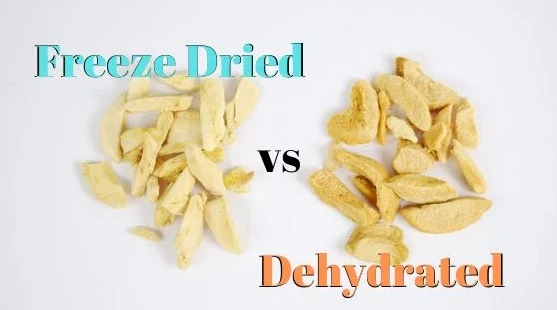
In food preservation, two popular methods stand out: freeze-drying and dehydrating. Both techniques effectively extend the shelf life of food items while retaining their nutritional value and flavors. However, there are distinct differences between the two processes that can impact the final product's quality and longevity. In food preservation, two popular methods stand out: freeze-drying and dehydrating. Both techniques effectively extend the shelf life of food items while retaining their nutritional value and flavors. However, there are distinct differences between the two processes that can impact the final product's quality and longevity.
Understanding freeze drying
Freeze drying, also known as lyophilization, involves freezing the food item and then subjecting it to a vacuum environment where ice crystals sublimate directly into vapor without passing through a liquid phase. This process removes moisture from the food without damaging its cellular structure or nutrient content significantly.
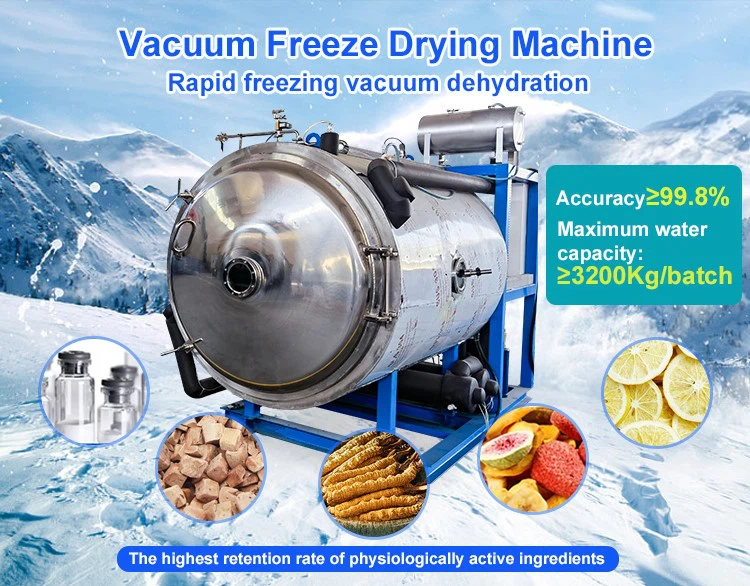
Benefits of Freeze Drying:
Nutrient Retention: Freeze drying preserves more nutrients compared to other preservation methods.
Long Shelf Life: Foods preserved through freeze-drying can last for years without significant degradation.
Lightweight: Freeze-dried foods are lightweight and easy to transport, making them ideal for camping or emergency preparedness.
exploring dehydrating
Dehydration is a more traditional method of food preservation that involves removing moisture by circulating hot air around the food item. While dehydration is simpler and cheaper than freeze drying, it may result in some nutrient loss due to exposure to heat.
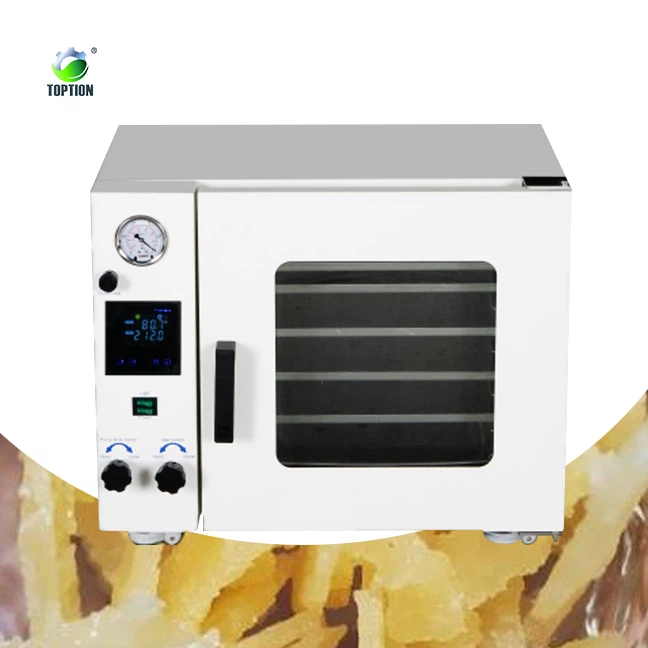
Advantages of Dehydrating:
Cost-effective: Dehydrators are affordable and widely available for home use.
Versatility: Dehydration works well with a variety of foods such as fruits, vegetables, herbs, and meats.
Energy efficiency: Compared to freeze-drying machines, dehydrators consume less energy.
Choosing Between Freeze-Drying and Dehydrating
When deciding between freeze-drying and dehydrating for food preservation, several factors should be considered:
Nutritional Value: If preserving maximum nutrients is crucial, freeze drying is preferred.
Storage Requirements: Freeze-dried foods take up less space compared to dehydrated foods due to lower moisture content.
Intended Use: For long-term storage or backpacking trips where weight matters, freeze-dried foods are ideal.
Cost Considerations: Dehydration equipment is generally more affordable upfront than freeze dryers.
While both methods have their merits depending on individual needs and preferences, understanding these differences can help you make an informed decision when preserving your favorite foods. If you want to know more, you can contact us at info@toptionlab.com!
Watch More!