


The oil and gas industry is a cornerstone of the global economy, powering everything from transportation to manufacturing. In this high - stakes industry, precision and efficiency are paramount. One often - overlooked yet crucial piece of equipment is the vacuum oven. As a leading vacuum oven supplier, I am excited to explore the various applications of vacuum ovens in the oil and gas industry.
1. Sample Preparation
In the oil and gas industry, accurate analysis of samples is essential for understanding the quality and properties of crude oil, natural gas, and other petroleum products. Vacuum ovens play a vital role in sample preparation.
Drying Samples
Crude oil and gas samples may contain moisture, which can interfere with accurate analysis. By using a vacuum oven, we can remove moisture from the samples at a lower temperature than in a normal oven. This is because the reduced pressure in the vacuum oven lowers the boiling point of water. For example, at a pressure of 100 mmHg, water boils at approximately 52°C, compared to 100°C at standard atmospheric pressure. This low - temperature drying process helps to preserve the integrity of the sample, preventing thermal degradation of sensitive components in the oil or gas.
Removing Volatile Compounds
Vacuum ovens are also effective in removing volatile compounds from samples. In the analysis of crude oil, for instance, volatile hydrocarbons can be removed under vacuum conditions. This is important for determining the true composition of the oil, as these volatile compounds can skew the results of chemical and physical analyses. By using a vacuum oven, we can obtain a more accurate picture of the sample's properties, which is crucial for making informed decisions about production, refining, and transportation.
2. Material Testing
The oil and gas industry relies on high - quality materials for pipelines, drilling equipment, and storage facilities. Vacuum ovens are used in material testing to simulate harsh environmental conditions and evaluate the performance of materials.
Aging Tests
Materials used in the oil and gas industry are often exposed to extreme temperatures, pressures, and chemical environments. Vacuum ovens can be used to accelerate the aging process of materials, allowing engineers to predict their long - term performance. For example, by subjecting samples of pipeline materials to high - temperature and low - pressure conditions in a vacuum oven, we can simulate the effects of long - term exposure to oil and gas. This helps to identify potential weaknesses in the materials and develop strategies to improve their durability.
Degassing of Materials
Some materials used in the oil and gas industry, such as polymers and composites, may contain trapped gases. These gases can cause defects in the material, such as voids and bubbles, which can weaken the structure. Vacuum ovens can be used to degas these materials by removing the trapped gases under vacuum conditions. This improves the quality and performance of the materials, making them more suitable for use in the demanding environment of the oil and gas industry.
3. Product Manufacturing
Vacuum ovens are also used in the manufacturing of various products in the oil and gas industry.
Drying Coatings and Adhesives
In the production of pipelines and storage tanks, coatings and adhesives are used to protect the materials from corrosion and improve their durability. Vacuum ovens can be used to dry these coatings and adhesives more quickly and efficiently than traditional drying methods. The reduced pressure in the vacuum oven allows the solvents in the coatings and adhesives to evaporate at a lower temperature, reducing the risk of thermal damage to the materials.
Sintering of Powders
In the manufacturing of parts for drilling equipment and valves, powder metallurgy is often used. Vacuum ovens are used in the sintering process, where metal powders are heated under vacuum conditions to form solid parts. The vacuum environment helps to prevent oxidation of the powders, resulting in high - quality parts with excellent mechanical properties.
4. Waste Treatment
The oil and gas industry generates a significant amount of waste, including contaminated soil, sludge, and drilling cuttings. Vacuum ovens can be used in waste treatment to remove contaminants and recover valuable resources.
Removing Organic Contaminants
Contaminated soil and sludge from oil and gas operations may contain organic contaminants, such as hydrocarbons. Vacuum ovens can be used to heat the contaminated materials under vacuum conditions, causing the organic contaminants to vaporize. The vapors can then be collected and treated, while the remaining solid material can be safely disposed of or reused.
Recovering Oil from Drilling Cuttings
Drilling cuttings are a by - product of oil and gas drilling operations. These cuttings often contain a significant amount of oil, which can be recovered using a vacuum oven. By heating the drilling cuttings under vacuum conditions, the oil can be vaporized and collected, reducing the environmental impact of drilling operations and recovering valuable resources.
Related Products
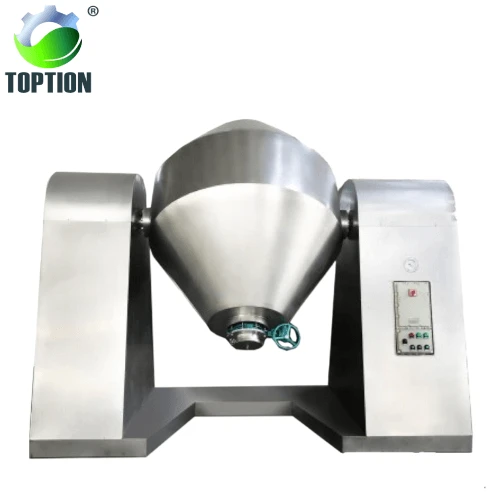
As a vacuum oven supplier, we also offer a range of related products that can complement the use of vacuum ovens in the oil and gas industry. For example, our Conical Vacuum Dryer For Pharma And Chemical Industries can be used for drying and processing various materials in a vacuum environment. Our Industrial V Style Powder Mixer Machine is ideal for mixing powders and granules, which can be useful in the manufacturing of parts for the oil and gas industry. Additionally, our Rotary Cone Vacuum Dryer provides efficient drying and mixing capabilities for a variety of applications.

Conclusion
In conclusion, vacuum ovens are an essential tool in the oil and gas industry, with applications in sample preparation, material testing, product manufacturing, and waste treatment. As a vacuum oven supplier, we are committed to providing high - quality products and services to meet the needs of the oil and gas industry. If you are interested in learning more about our vacuum ovens and related products, or if you have any questions about their applications in the oil and gas industry, please feel free to contact us for a procurement discussion.
References
- Smith, J. (2018). Advanced Material Testing in the Oil and Gas Industry. Elsevier.
- Johnson, A. (2019). Waste Treatment Technologies in the Oil and Gas Sector. Springer.
- Brown, C. (2020). Sample Preparation Techniques for Oil and Gas Analysis. Wiley.