


Operating a vacuum oven correctly is crucial for achieving optimal results in various industrial and scientific applications. As a professional vacuum oven supplier, I understand the importance of providing clear guidance on this topic. In this blog post, I will share detailed steps and essential tips on how to operate a vacuum oven correctly, ensuring both safety and efficiency.
Pre - operation Preparation
Before using a vacuum oven, several key pre - operation steps are necessary to ensure smooth and safe operation.
1. Location and Installation
First, select a suitable location for the vacuum oven. It should be placed on a flat, stable surface, away from direct heat sources, flammable materials, and excessive moisture. The area should have good ventilation to prevent the accumulation of fumes and heat. Make sure that there is enough space around the oven for easy access to the controls and maintenance.
Refer to the manufacturer's installation manual carefully. Connect the oven to a proper power supply according to the specified voltage and current requirements. Check the electrical connections to ensure they are secure and free of damage.
2. Inspection
Inspect the vacuum oven thoroughly before each use. Check the body of the oven for any visible signs of damage, such as cracks or dents. Examine the door seal to ensure it is intact and clean. A damaged or dirty seal can lead to poor vacuum performance and affect the drying process.
Inspect the vacuum pump. Check the oil level in the pump (if it is an oil - sealed pump) and ensure that the pump is in good working condition. Look for any signs of leaks in the vacuum lines connecting the pump to the oven.
3. Loading the Samples
Only load appropriate samples into the vacuum oven. Samples should be placed in suitable containers that can withstand the vacuum and temperature conditions. Avoid overloading the oven, as this can prevent proper air circulation and lead to uneven drying. Place the samples evenly on the tray or shelves inside the oven, leaving enough space between each sample for air to flow freely.
Operation Steps
1. Setting the Temperature
Turn on the power switch of the vacuum oven. On the control panel, set the desired temperature according to the requirements of your samples. Most vacuum ovens are equipped with digital temperature controllers that allow for precise temperature setting. It is important to set a reasonable temperature; too high a temperature may damage the samples, while too low a temperature may result in insufficient drying.
When setting the temperature, consider the nature of the samples. For example, if you are drying heat - sensitive materials, you need to set a relatively low temperature and may need to extend the drying time accordingly.
2. Closing the Door
Once the samples are loaded and the temperature is set, close the oven door firmly. Make sure the door is properly aligned and latched to ensure a good seal. A proper seal is essential for achieving and maintaining a high - quality vacuum inside the oven.
3. Starting the Vacuum Pump
After closing the door, start the vacuum pump. This will begin the process of evacuating the air from the oven chamber. Monitor the vacuum gauge to observe the change in pressure. As the pump runs, the pressure inside the oven should gradually decrease. The time it takes to reach the desired vacuum level depends on the size of the oven chamber, the efficiency of the pump, and the amount of air in the chamber.
In some cases, you may need to bleed the non - condensable gases from the system. This can be done by partially opening the vent valve for a short period to release any trapped air and then closing it again.
4. Monitoring the Process
While the vacuum oven is in operation, continuously monitor the temperature and vacuum level. The temperature controller should maintain the set temperature within a certain range. If the temperature deviates significantly from the set value, there may be a problem with the heating element or the temperature control system.
Keep an eye on the vacuum level. If the pressure starts to rise unexpectedly, it may indicate a leak in the system. Check the door seal, the vacuum lines, and the connections for any signs of leakage. If a leak is detected, stop the operation immediately, repair the leak, and then restart the process.

5. Drying Time
Determine the appropriate drying time based on the type and quantity of the samples, as well as the temperature and vacuum level. In general, a higher vacuum level and a higher temperature can reduce the drying time. However, as mentioned earlier, for heat - sensitive materials, a longer drying time at a lower temperature may be required.
You can periodically check the samples during the drying process. If possible, use a sample that is representative of the batch to assess the degree of drying. Once the samples are dry, turn off the heating element and the vacuum pump.
6. Releasing the Vacuum
After the drying process is completed, slowly release the vacuum in the oven. This can be done by gently opening the vent valve to allow air to enter the chamber gradually. Do not open the valve too quickly, as a sudden influx of air can cause damage to the samples or the oven itself.
7. Opening the Door
Once the pressure inside the oven has returned to atmospheric pressure, open the door carefully. Wear appropriate protective gloves to prevent burns, as the oven and the samples may still be hot. Remove the samples from the oven in a timely manner and allow the oven to cool down before conducting further operations or cleaning.
Maintenance and Safety Considerations
1. Maintenance
Regular maintenance is essential for the long - term performance of the vacuum oven. Clean the interior and exterior of the oven regularly to remove any dust, debris, or residual materials. Check and replace the door seal periodically to ensure a good vacuum seal.
For the vacuum pump, change the oil according to the manufacturer's recommendations. Check the pump for any signs of wear and tear, and lubricate the moving parts as necessary.
2. Safety
Safety should always be a top priority when operating a vacuum oven. Wear appropriate personal protective equipment, such as gloves and safety glasses. Do not touch the heating elements or the hot parts of the oven during operation.
Do not use the vacuum oven to dry explosive, flammable, or corrosive materials unless it is specifically designed for such applications. In case of any abnormal noises, odors, or malfunctions during operation, stop the oven immediately and contact a professional technician for repair.
Related Products
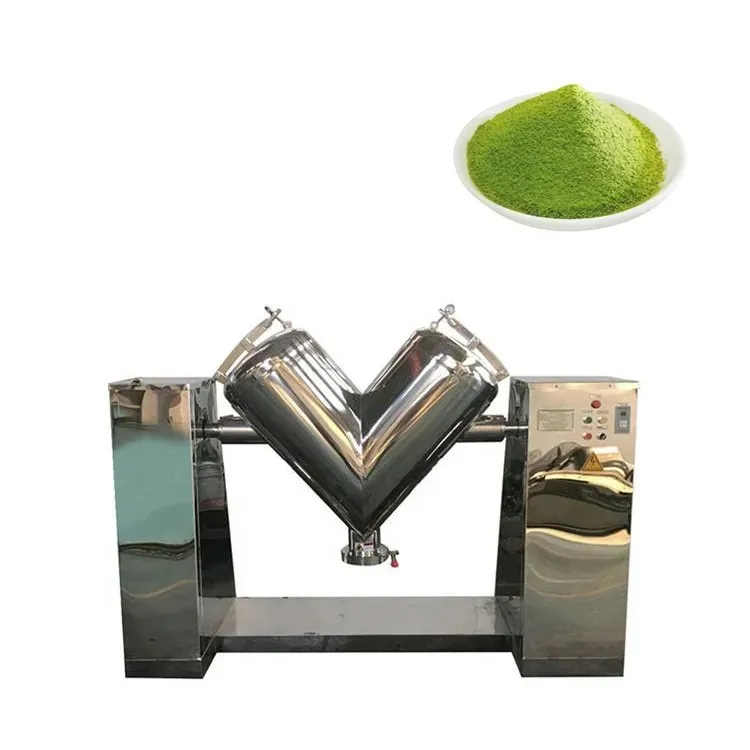
If you are looking for other equipment related to drying and mixing processes, we also offer a variety of high - quality products. For example, our Industrial V Style Powder Mixer Machine is ideal for mixing different types of powders evenly. The Conical Vacuum Dryer For Pharma And Chemical Industries is specifically designed for the pharmaceutical and chemical industries, providing efficient and gentle drying solutions. And our Rotary Cone Vacuum Dryer is suitable for drying heat - sensitive and high - viscosity materials.
Conclusion
Operating a vacuum oven correctly requires careful preparation, precise operation, and regular maintenance. By following the steps and tips outlined in this blog post, you can ensure the safe and efficient use of your vacuum oven. Whether you are in the research laboratory, industrial production, or other fields, proper operation of the vacuum oven will help you achieve better results.
If you are interested in purchasing a vacuum oven or any of our related products, we welcome you to contact us for further information and procurement discussions. We are committed to providing you with high - quality products and professional technical support.
References
- Manufacturer's manuals of vacuum ovens
- Academic research on vacuum drying technology and equipment operation