


Hey there! As a supplier of Vacuum Oven, I've seen firsthand how important it is to maintain these machines properly. A well-maintained vacuum oven not only lasts longer but also performs at its best, ensuring you get the most out of your investment. In this blog, I'll share some tips on how to keep your vacuum oven in top shape.
Regular Cleaning
Cleaning is the first and most crucial step in maintaining a vacuum oven. Over time, dirt, dust, and debris can accumulate inside the oven, affecting its performance and potentially damaging its components.
Start by unplugging the oven and allowing it to cool down completely. Once it's cool, use a soft, dry cloth to wipe down the interior and exterior of the oven. Pay special attention to the door seals, as any dirt or debris here can prevent a proper vacuum seal.
For more stubborn stains or residue, you can use a mild detergent and water solution. However, make sure to rinse the area thoroughly and dry it completely to prevent any corrosion.
Don't forget to clean the heating elements and sensors as well. Use a soft brush to remove any dust or debris from these components. If you notice any signs of damage or wear, it's best to replace them as soon as possible.
Checking the Vacuum System
The vacuum system is one of the most important parts of a vacuum oven. It's responsible for creating and maintaining the low-pressure environment inside the oven. To ensure the vacuum system is working properly, you should perform regular checks.
First, check the vacuum pump for any signs of leaks or damage. Look for oil leaks, loose connections, or unusual noises. If you notice any issues, it's best to have the pump serviced by a professional.
Next, check the vacuum gauge to make sure it's reading accurately. If the gauge is not reading correctly, it could indicate a problem with the vacuum system. You may need to calibrate the gauge or replace it if it's damaged.
Finally, check the vacuum lines for any kinks, leaks, or blockages. Make sure the lines are properly connected and that there are no obstructions. If you find any issues, repair or replace the lines as needed.
Maintaining the Heating System
The heating system is another critical component of a vacuum oven. It's responsible for heating the oven to the desired temperature. To ensure the heating system is working properly, you should perform regular maintenance.
First, check the heating elements for any signs of damage or wear. Look for cracks, breaks, or discoloration. If you notice any issues, replace the heating elements as soon as possible.
Next, check the temperature controller to make sure it's working correctly. Set the temperature to a specific value and monitor the oven to see if it reaches and maintains that temperature. If the temperature is not accurate, you may need to calibrate the controller or replace it if it's damaged.
Finally, check the insulation around the heating elements. Make sure the insulation is in good condition and that there are no gaps or holes. If the insulation is damaged, it can cause heat loss and reduce the efficiency of the oven.
Lubricating Moving Parts
Many vacuum ovens have moving parts, such as doors, hinges, and fans. These parts need to be lubricated regularly to ensure smooth operation and prevent wear and tear.
Use a high-quality lubricant that is suitable for the specific parts of the oven. Apply the lubricant according to the manufacturer's instructions. Make sure to clean the parts before applying the lubricant to remove any dirt or debris.
Don't over-lubricate the parts, as this can attract dirt and debris and cause more problems. Just apply a small amount of lubricant to the moving parts and wipe off any excess.

Calibration and Testing
Regular calibration and testing are essential to ensure the accuracy and performance of a vacuum oven. You should calibrate the temperature, vacuum, and other sensors at least once a year or more frequently if needed.
Use a calibrated thermometer and vacuum gauge to check the accuracy of the oven's sensors. Compare the readings of the oven's sensors with the readings of the calibrated instruments. If there are any discrepancies, adjust the sensors or have them serviced by a professional.
In addition to calibration, you should also perform regular testing of the oven's performance. Run a test cycle to make sure the oven is heating up to the desired temperature, maintaining the vacuum, and functioning properly. If you notice any issues during the test cycle, address them immediately.
Training and Safety
Proper training is essential for anyone who operates a vacuum oven. Make sure all operators are trained on how to use the oven safely and correctly. Provide them with the necessary safety equipment, such as gloves, goggles, and aprons.
In addition to training, you should also follow all safety guidelines and regulations when using a vacuum oven. Make sure the oven is installed in a well-ventilated area and that there are no flammable materials nearby. Don't overload the oven or use it for any purpose other than what it's designed for.
Troubleshooting Common Problems
Even with proper maintenance, you may encounter some common problems with your vacuum oven. Here are some tips on how to troubleshoot these problems:
- No vacuum: If the oven is not creating a vacuum, check the vacuum pump, vacuum lines, and seals for any leaks or blockages. Make sure the pump is running properly and that the lines are connected correctly.
- Temperature issues: If the oven is not heating up to the desired temperature or if the temperature is fluctuating, check the heating elements, temperature controller, and insulation. Make sure the heating elements are working properly and that the controller is calibrated correctly.
- Strange noises: If you hear strange noises coming from the oven, it could indicate a problem with the vacuum pump, fan, or other components. Stop using the oven immediately and have it serviced by a professional.
- Leaking oil: If you notice oil leaking from the vacuum pump, it could indicate a problem with the pump's seals or gaskets. Have the pump serviced by a professional as soon as possible.
Conclusion
Maintaining a vacuum oven is essential to ensure its long-term performance and reliability. By following these tips, you can keep your oven in top shape and avoid costly repairs and downtime.
If you have any questions or need further assistance with maintaining your vacuum oven, don't hesitate to contact us. We're here to help you get the most out of your investment.
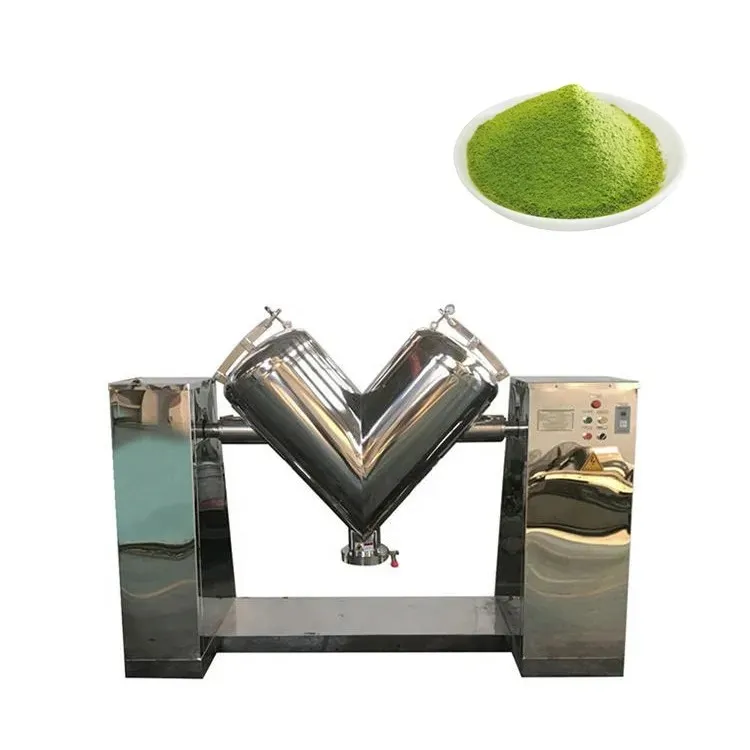
And if you're in the market for a new vacuum oven or other related equipment, such as an Industrial V Style Powder Mixer Machine or a Rotary Cone Vacuum Dryer, we've got you covered. We offer a wide range of high-quality products at competitive prices. Contact us today to learn more and start the procurement process.
References
- Manufacturer's manual for the vacuum oven
- Industry standards and best practices for vacuum oven maintenance