


Checking the operation status of the vacuum pump in a vacuum oven is crucial for ensuring the efficiency and reliability of the entire system. As a Vacuum Oven supplier, I understand the importance of maintaining the proper functioning of the vacuum pump. In this blog post, I will share some effective methods to check the operation status of the vacuum pump in a vacuum oven.
1. Visual Inspection
The first step in checking the vacuum pump's operation status is a visual inspection. Start by examining the exterior of the vacuum pump. Look for any signs of physical damage, such as cracks, leaks, or loose connections. Check the hoses and pipes that connect the vacuum pump to the vacuum oven. Ensure that they are properly attached and there are no visible signs of wear or tear.
Next, inspect the oil level in the vacuum pump. Most vacuum pumps use oil for lubrication and sealing. The oil level should be within the recommended range indicated on the pump's oil sight glass. If the oil level is too low, it can lead to increased friction and overheating, which may damage the pump. If the oil appears dirty or contaminated, it should be changed according to the manufacturer's recommendations.
2. Monitoring Vacuum Pressure
One of the most important indicators of the vacuum pump's operation status is the vacuum pressure inside the vacuum oven. Use a vacuum gauge to measure the pressure. A properly functioning vacuum pump should be able to achieve and maintain the desired vacuum level within a reasonable time.
If the vacuum pressure does not reach the expected level or fluctuates significantly, it may indicate a problem with the vacuum pump. Possible causes include leaks in the system, a faulty valve, or a worn-out pump. Check for leaks by applying a soapy solution to the connections and hoses. If bubbles form, it indicates a leak that needs to be repaired.
3. Listening for Abnormal Noises
Pay attention to the sounds coming from the vacuum pump during operation. A normal vacuum pump should operate quietly. Unusual noises, such as rattling, grinding, or high-pitched screeching, can be a sign of mechanical problems. These noises may indicate worn-out bearings, loose parts, or other issues that require immediate attention.
If you hear abnormal noises, stop the vacuum pump immediately and inspect it for damage. It is recommended to consult a professional technician to diagnose and repair the problem.
4. Checking the Motor
The motor is an essential component of the vacuum pump. Check the motor's operation by observing its speed and temperature. The motor should run smoothly at a consistent speed. If the motor is running too fast or too slow, it may indicate a problem with the motor or the electrical system.
Use a thermometer to measure the motor's temperature. A normal operating temperature for a vacuum pump motor is usually within a certain range. If the motor is overheating, it could be due to excessive load, poor ventilation, or a faulty motor.
5. Analyzing Performance Data
Keep a record of the vacuum pump's performance data, such as vacuum pressure, operating time, and power consumption. Analyzing this data over time can help you identify trends and potential problems. For example, if the vacuum pressure is gradually decreasing over time, it may indicate a slow leak in the system.
By comparing the current performance data with the baseline data, you can determine if the vacuum pump is operating within the normal range. If there are significant deviations, it is necessary to investigate and take appropriate measures.
6. Regular Maintenance
Regular maintenance is essential for ensuring the long-term operation of the vacuum pump. Follow the manufacturer's maintenance schedule, which may include tasks such as oil changes, filter replacements, and inspections.
Clean the vacuum pump regularly to remove dust and debris that can accumulate and affect its performance. Check the belts and pulleys for proper tension and wear. Lubricate the moving parts as recommended by the manufacturer.
7. Troubleshooting Common Problems
Even with proper maintenance, the vacuum pump may encounter some common problems. Here are some troubleshooting tips:
- Low Vacuum Pressure: Check for leaks in the system, clean or replace the filters, and ensure that the pump is properly sized for the vacuum oven.
- Overheating: Check the ventilation, clean the cooling fins, and ensure that the motor is not overloaded.
- Abnormal Noises: Inspect the pump for loose parts, worn-out bearings, or other mechanical problems.
- Oil Contamination: Change the oil and clean the oil reservoir.
Conclusion
Checking the operation status of the vacuum pump in a vacuum oven is an important part of maintaining the efficiency and reliability of the entire system. By following the methods described above, you can ensure that the vacuum pump is operating properly and address any issues promptly.
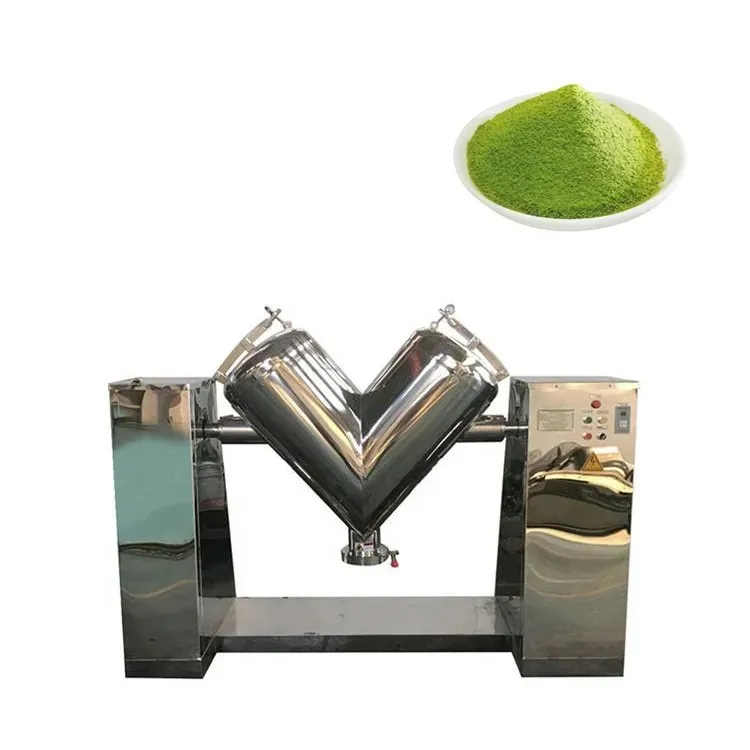
If you are interested in purchasing a Vacuum Oven or need more information about our products, please feel free to contact us. We offer a wide range of Vacuum Ovens, including Conical Vacuum Dryer For Pharma And Chemical Industries, Rotary Cone Vacuum Dryer, and Industrial V Style Powder Mixer Machine. Our team of experts is ready to assist you with your specific requirements.

References
- Manufacturer's manual of the vacuum pump and vacuum oven.
- Industry standards and best practices for vacuum pump operation and maintenance.