


Can a freeze dryer be moved easily?
As a supplier of freeze dryers, I often get asked whether these machines can be moved easily. The answer isn't as straightforward as a simple yes or no, as it depends on several factors. In this blog post, I'll delve into the details of moving freeze dryers, exploring the challenges and considerations involved.
Factors Affecting the Ease of Moving a Freeze Dryer
Size and Weight
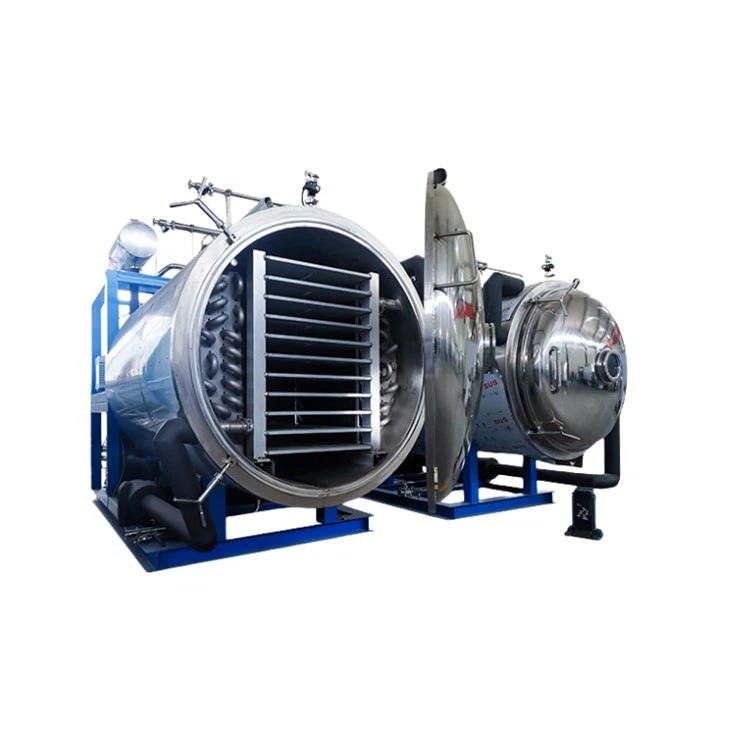
One of the most significant factors is the size and weight of the freeze dryer. Larger industrial - scale freeze dryers can be massive and extremely heavy. These machines are often custom - built and designed to be installed in a specific location. For instance, some large - capacity food freeze dryers used in commercial food processing plants can weigh several tons. Moving such a large and heavy unit requires specialized equipment like forklifts, cranes, and professional moving services. On the other hand, smaller benchtop or laboratory - scale freeze dryers are much lighter and more manageable. They can usually be moved by one or two people without the need for heavy - duty equipment.
Complexity of Installation
Freeze dryers are complex pieces of equipment that require proper installation to function correctly. They often need to be connected to various utilities such as water, electricity, and vacuum systems. When moving a freeze dryer, these connections need to be carefully disconnected and then re - connected at the new location. Any mistakes during this process can lead to malfunctions or even damage to the machine. For example, a freeze dryer used for Lyophilization Of Bacteria Vacuum Freeze Dryer Design may have specific requirements for vacuum levels and temperature control, and improper re - installation can disrupt these critical parameters.
Sensitivity to Vibration and Shock
Freeze dryers contain delicate components such as compressors, vacuum pumps, and sensors. These components can be damaged by excessive vibration or shock during the moving process. Even minor damage to these parts can lead to a decrease in performance or complete failure of the machine. Therefore, when moving a freeze dryer, it's crucial to use proper packaging and handling techniques to minimize the risk of damage.
Moving Small - Scale Freeze Dryers
Small - scale freeze dryers, such as those used in laboratories or for home use, are generally easier to move. Here are the steps to move a small freeze dryer:
- Power Off and Disconnect: First, turn off the power to the freeze dryer and unplug it from the electrical outlet. Then, disconnect any other utilities such as water lines or vacuum hoses.
- Secure Loose Parts: Check for any loose parts inside the freeze dryer and secure them. This may include trays, shelves, or other accessories.
- Packaging: Use appropriate packaging materials such as bubble wrap or foam to protect the freeze dryer from scratches and damage during transit. Place the unit in a sturdy box and fill any empty spaces with packing material to prevent movement.
- Transport: Carefully carry the packaged freeze dryer to the new location. If possible, use a dolly or hand truck to make the transportation easier.
- Re - Installation: Once at the new location, unpack the freeze dryer and re - connect all the utilities. Follow the manufacturer's instructions for proper installation and calibration.
Moving Large - Scale Freeze Dryers
Moving large - scale freeze dryers is a more complex process that typically requires professional assistance. Here's a general overview of the steps involved:
- Planning: Before moving the freeze dryer, a detailed plan needs to be developed. This includes assessing the new location, determining the best route for moving the machine, and ensuring that all necessary equipment and personnel are available.
- Disconnection: A team of technicians should carefully disconnect all the utilities and components of the freeze dryer. This may involve draining fluids, disconnecting electrical wiring, and removing any attached pipes or hoses.
- Lifting and Transport: Specialized lifting equipment such as forklifts or cranes may be used to lift the freeze dryer onto a transport vehicle. The machine should be securely fastened to prevent movement during transit.
- Re - Installation: At the new location, the freeze dryer needs to be carefully unloaded and re - installed. This includes re - connecting all the utilities, aligning the machine properly, and performing a thorough inspection and testing to ensure that it is functioning correctly.
The Importance of Professional Assistance
Whether moving a small or large freeze dryer, it's often advisable to seek professional assistance. Professional movers have the experience and equipment necessary to handle the moving process safely and efficiently. They can also provide insurance coverage in case of any damage during the move. Additionally, technicians who are familiar with freeze dryers can ensure that the machine is properly disconnected, transported, and re - installed, minimizing the risk of malfunctions.
Conclusion
In conclusion, the ease of moving a freeze dryer depends on its size, weight, complexity of installation, and sensitivity to vibration and shock. Small - scale freeze dryers can usually be moved relatively easily with proper care, while large - scale freeze dryers require professional assistance. As a China High - Efficiency Vacuum Freeze Dryer Manufacturers and Lyophilized Royal Jelly Powder Electric Heating Freeze Dryer Supplier, we understand the importance of proper handling and installation of freeze dryers. If you are considering moving a freeze dryer, we recommend consulting with our experts. We can provide you with the necessary guidance and support to ensure a smooth and successful move. If you have any questions or are interested in purchasing a freeze dryer, please feel free to contact us for procurement discussions.

References
- Manufacturer's manuals for various freeze dryers
- Industry standards for moving and installing industrial equipment